-
No Item Added in Cart.
SKU: CC-ACTVIND-VITA
Size

40 customers are viewing this product


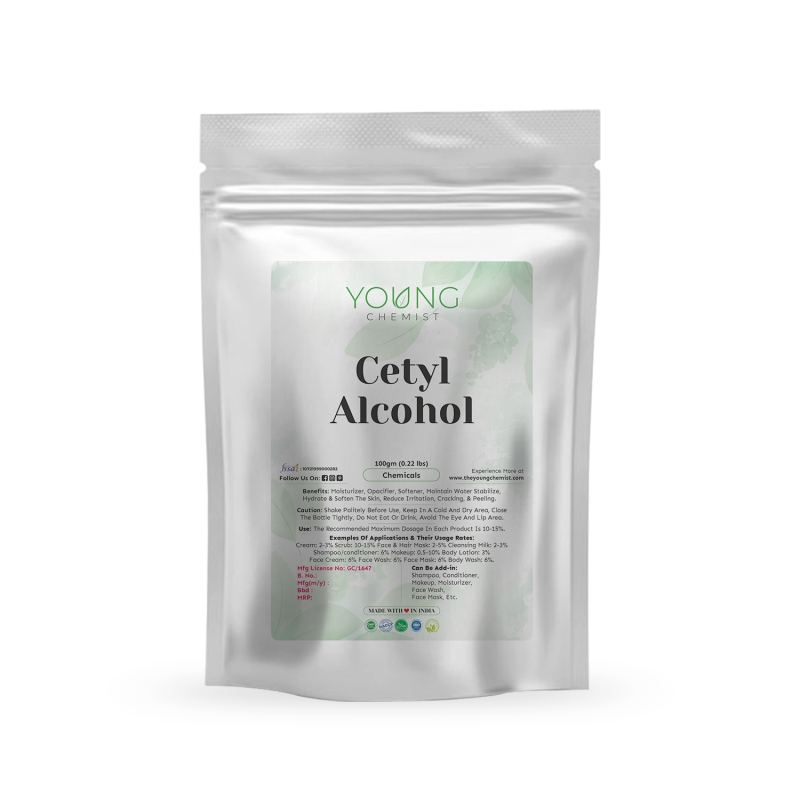
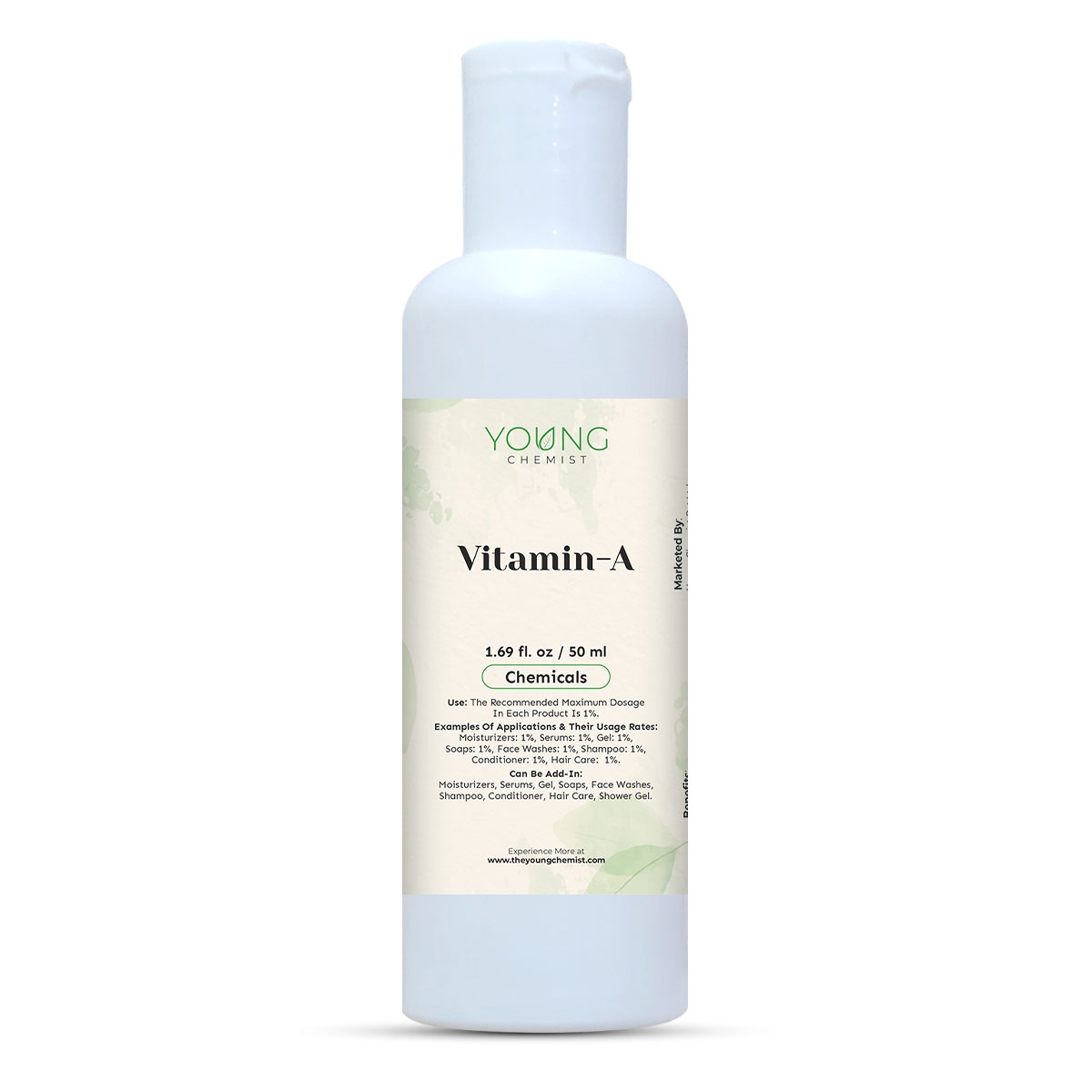
Vitamin A is a common cosmetic chemical used in various skincare products. It offers numerous benefits for the skin, but it should be used with caution due to its potential side effects.
Vitamin A, also known as retinol, is a fat-soluble vitamin that plays a vital role in maintaining healthy skin. In cosmetic products, it is commonly found in the form of retinoids, such as retinyl palmitate, retinyl acetate, and retinol. These derivatives are effective in promoting skin health and addressing various skin concerns.
Vitamin A (retinoids like retinol, retinaldehyde, and retinyl esters) is a gold-standard skincare active loved for visibly smoother texture, refined pores, and a more even, radiant tone. Thoughtfully formulated Vitamin A serums, creams, and oils encourage fresher-looking skin by supporting natural cell turnover—softening the look of fine lines, targeting post-blemish marks, and boosting a healthy glow. Lightweight, fast-absorbing textures layer easily under moisturizer and broad-spectrum SPF, fitting morning- or night routines (PM preferred for beginners).
Our modern Vitamin A products balance results with comfort: smart concentrations, skin-respecting pH, and soothing partners like hyaluronic acid, niacinamide, ceramides, squalane, and allantoin help keep skin cushioned and calm. Choose retinol for classic performance, retinaldehyde for quicker visible results with comparable tolerance, or retinyl palmitate for gentle entry into retinoids. With consistent use and daily sun protection, complexion appears clearer, brighter, and makeup sits flawlessly.
Derm-inspired yet beginner-friendly, our Vitamin A range is fragrance-light, non-greasy, and designed for reliable, week-over-week improvement—ideal for oily, combination, normal, and early-aging concerns.
Vitamin A for texture smoothing, spot clarity, and luminous radiance, a proven, pro-grade essential made effortless for real-life skin.
| Title | Description |
|---|---|
| No specifications available. | |
Introduce retinoids at night, 2–3×/week on clean, dry skin. Apply a pea-sized amount of retinol/retinal (or a few drops of retinyl serum) to face and neck, avoiding eyes/lips. Follow with a ceramide or squalane moisturizer. After 2–4 weeks, increase to every other night as tolerated. Do not layer with strong AHAs/BHAs or benzoyl peroxide in the same routine—alternate nights. For sensitivity, sandwich: moisturizer → retinoid → moisturizer. Expect mild dryness initially; reduce frequency if irritation persists. Every morning, apply broad-spectrum SPF 30+. Patch test first; avoid during pregnancy unless advised by a professional. Store tightly capped, away from heat and light.
Vitamin A (retinoids: retinol, retinaldehyde, retinyl esters) helps visibly smooth fine lines, refine pores, and even overall skin tone by supporting healthy cell turnover. With consistent use, it softens the look of dark spots and post-blemish marks, boosts radiance, and improves makeup laydown. Modern formulas pair retinoids with hyaluronic acid, niacinamide, ceramides, and squalane to cushion the barrier and minimize dryness or flaking. Choose retinol for classic results, retinaldehyde for quicker visible benefits, or retinyl esters for gentle entry. Lightweight, pH-aware textures suit oily, combination, and normal skin types. Always pair with daily SPF 30+ to protect and maintain bright, smooth clarity.
Remember, everyone's skin is unique, and what works for one person may not work for another. It's essential to listen to your skin and adjust your skincare routine accordingly.

Vitamin A is a powerful antioxidant that helps maintain healthy skin by promoting cell turnover and reducing the appearance of fine lines and wrinkles. It's essential for keeping your skin looking youthful and radiant.
Vitamin A products can improve skin texture, reduce acne, and fade dark spots over time. They work by encouraging the production of new skin cells, which helps keep your skin smooth and clear.
Yes, there are several forms of Vitamin A used in skincare, including retinol, retinoic acid, and retinaldehyde. Retinol is the most common form found in over-the-counter products and is gentle yet effective for most skin types.
If you have sensitive skin, it’s best to start with a lower concentration of Vitamin A or a gentler form like retinol. Always do a patch test first and introduce the product slowly to avoid irritation.
Most people start by using Vitamin A products once or twice a week and gradually increase usage as their skin builds tolerance. Over time, you can use them every other night or even nightly, depending on how your skin responds.
Vitamin A can make your skin more sensitive to sunlight, so it's generally recommended to use these products at night. If you do apply them during the day, be sure to use a broad-spectrum sunscreen with SPF 30 or higher.
It can take a few weeks to start seeing visible results from Vitamin A products. Full results, such as improved skin texture and reduced wrinkles, may take up to 12 weeks of consistent use.
Vitamin A products can be safely combined with other ingredients, but it's important to avoid using them with strong acids (like glycolic acid) or benzoyl peroxide simultaneously, as this can cause irritation. Instead, use these ingredients on alternate nights.
Pregnant or breastfeeding women should avoid using high-strength Vitamin A products like retinoids due to potential risks to the baby. It’s best to consult with a healthcare professional before using any Vitamin A skincare products during this time.
If you experience redness, peeling, or irritation, reduce the frequency of use or switch to a lower concentration. Always follow up with a good moisturizer to help soothe and protect your skin.